

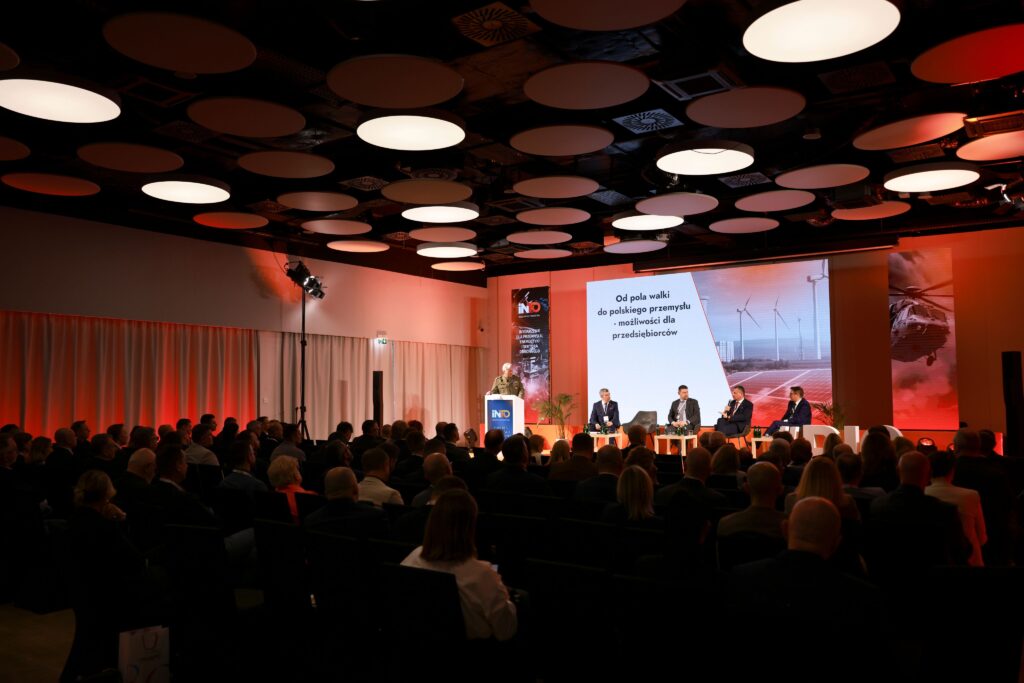
On 26–27 March this year, the third edition of the INDUSTRY IN TRANSITION (INTO) Industry and Energy Congress took place in Wisła. Organized by the Regional Chamber of Commerce in Katowice, the congress brought together leaders from industry, the energy sector, the financial market, AI and the defence sector. The key conclusion is simple: the transition requires the implementation of a well-thought-out strategy, which must, among other things, reduce costs, harness the potential and expertise of Polish entrepreneurs, and strengthen competitiveness and domestic production across all sectors, with a focus on dual-use and the defence sector.
The INTO Congress highlighted a shift in the tone of the debate
The Industry and Energy Congress was not a debate about the very idea of the transition. It was a debate about its costs, pace and impact on competitiveness. The first day was spent discussing energy prices, over-regulation, local content and investment security. The second day was devoted to new technologies, energy storage, financing of production projects, the development of AI in industry, dual-use applications and the development of suppliers for the wind energy sector within Polish industry.
The tone of the event was set right from the opening
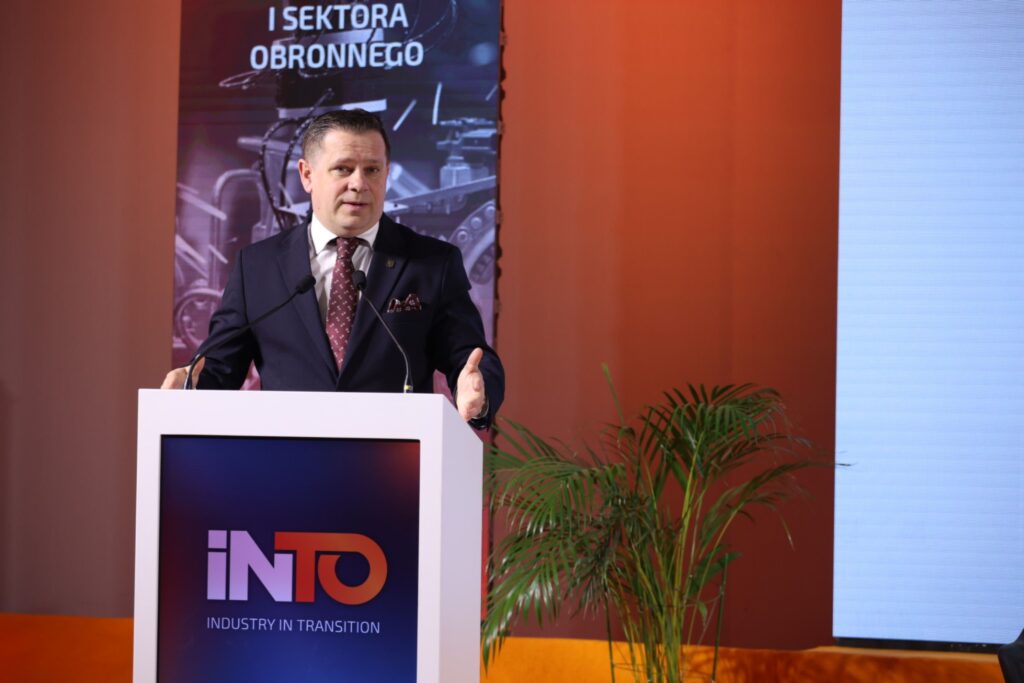
– Europe cannot become the world’s greenest… importer. This congress aims to translate the experience, expertise and knowledge of the nearly 300 experts participating in the Congress into recommendations that should form the basis for decisions by Polish and European decision-makers shaping the economic landscape – emphasised Tomasz Zjawiony, President of the Chamber of Commerce and Industry in Katowice.
He emphasised that
– Europe must not lose its manufacturing capacity due to excessive and ill-conceived regulations or the damaging assumptions underlying the transition agenda.
He also added that the Congress is intended not only to provide an assessment of the current situation or to highlight the possible consequences of decisions taken, but above all to identify the tools, solutions and strategic objectives necessary to support the development and competitiveness of the Polish economy.
One of the most talked-about moments of the congress was the presentation of the first comprehensive Polish Public Procurement Portal – www.ppzp.com.pl. The new tool met with enormous interest from entrepreneurs, who for years have been highlighting the need to simplify access to information and procedures, not to mention solutions favouring the domestic business sector or Polish small and medium-sized enterprises.
The portal brings together in one place key elements essential for businesses: tenders, available grants, legal support and the opportunity to establish cooperation with other entities. Congress participants emphasised that this solution could significantly boost the competitiveness of Polish enterprises and improve their participation in the public procurement market.
This is the tool the business community has been waiting for for years. Real time savings, greater transparency and new opportunities for growth – commented the event participants in unison.
The congress was also the venue for the announcement of other groundbreaking initiatives. The President of the Regional Investment Agency (RIG) in Katowice announced cooperation projects of national significance, which are already generating huge interest within the business community.
– Kluczowym elementem tej inicjatywy będzie m.in. ekskluzywna wizyta zarządu światowego giganta energetycznego – zaplanowana wyłącznie w ramach działań Regionalnej Izby Gospodarczej w Katowicach, ale również podjęcie strategicznej współpracy z jedną z największych grup technologicznych na świecie. Wszystkie te działania Izby realizujemy, żeby otworzyć naszym firmom członkowskim nowe i unikalne możliwości rozwoju” – podkreślił Tomasz Zjawiony.
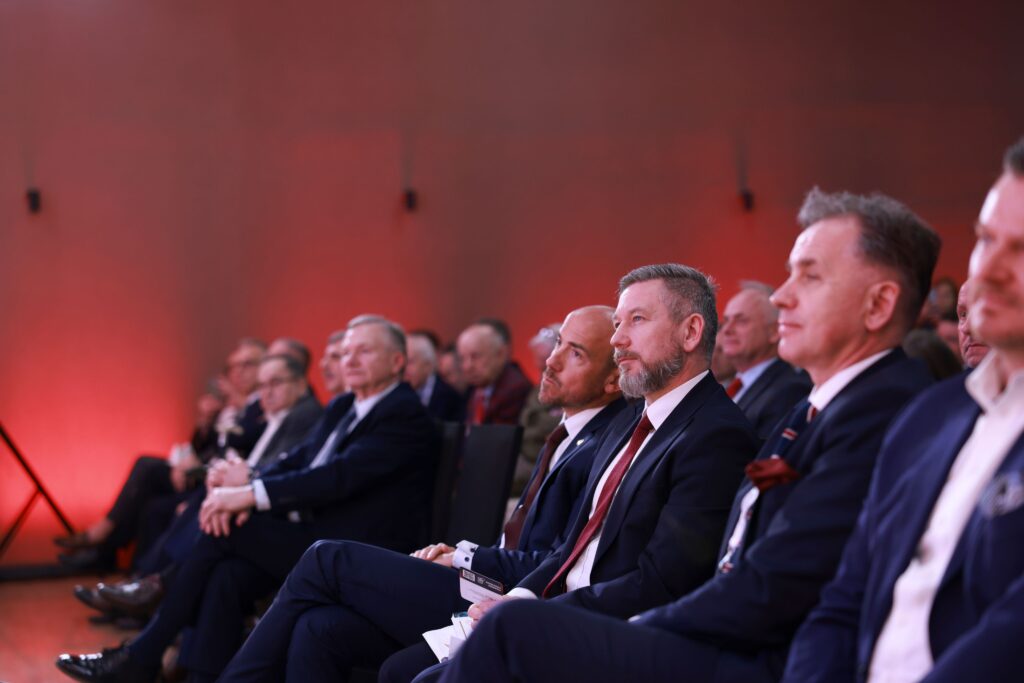
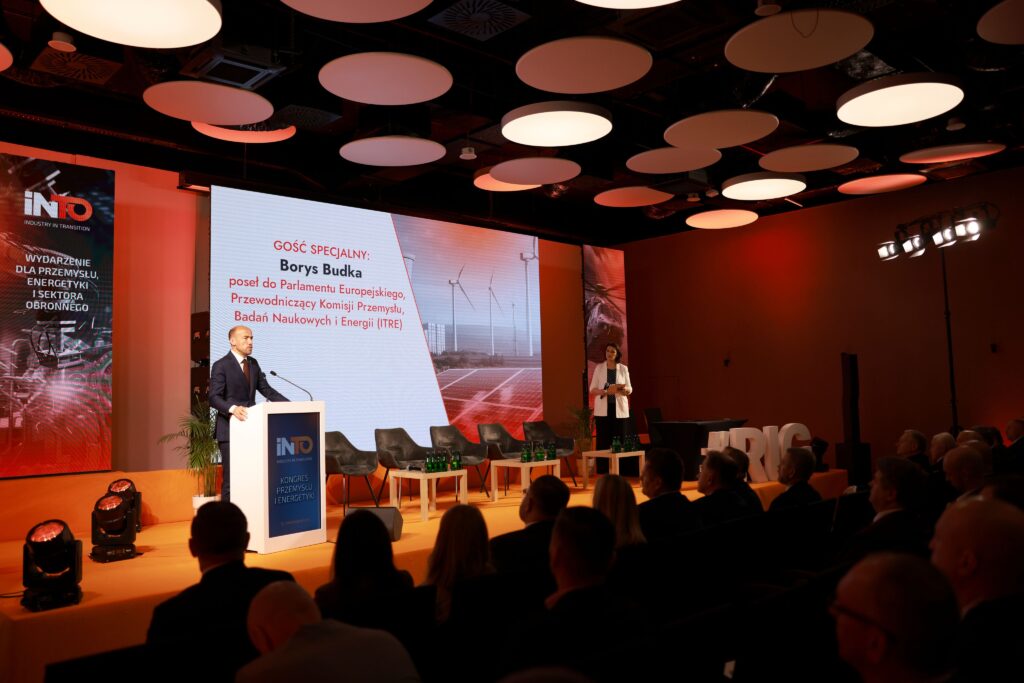
Among those present at the Congress was Borys Budka, Chair of the Committee on Industry, Research and Energy in the European Parliament. In his speech, he highlighted the need to correct regulatory errors and simplify legislation, which he described as the last chance to sustain industry in Europe.
General Mieczysław Bieniek, addressing the Congress participants on behalf of the Minister of National Defence, Władysław Kosiniak-Kamysz, concluded the opening speeches by pointing out that all these important issues are linked by a single thread: “security”.
– As long as enemy missiles are not flying over Poland and Europe, wreaking havoc, now is the time to take preventive action to ensure that this never happens – he concluded.
Energy, procedures and local content have returned to the forefront
Three words kept cropping up in the discussions on the first day: predictability, price and security. Participants pointed out that without stable energy supplies and prices, Europe would lose any chance of competing with the Chinese, Indian or American economies. There was also a strong call for major energy investments to work more closely with Polish companies, utilising their expertise and production capacity. This is not just about price, but also about quality, workplace safety, supply chain resilience and longer-term contracts.
It was pointed out that industry is currently struggling primarily due to energy costs and excessive regulation. Attention was also drawn to the fact that decarbonisation must not compromise the stability of the country’s energy and economic systems, which, in an era of growing global instability, form the foundation of the state’s security and resilience to crises.
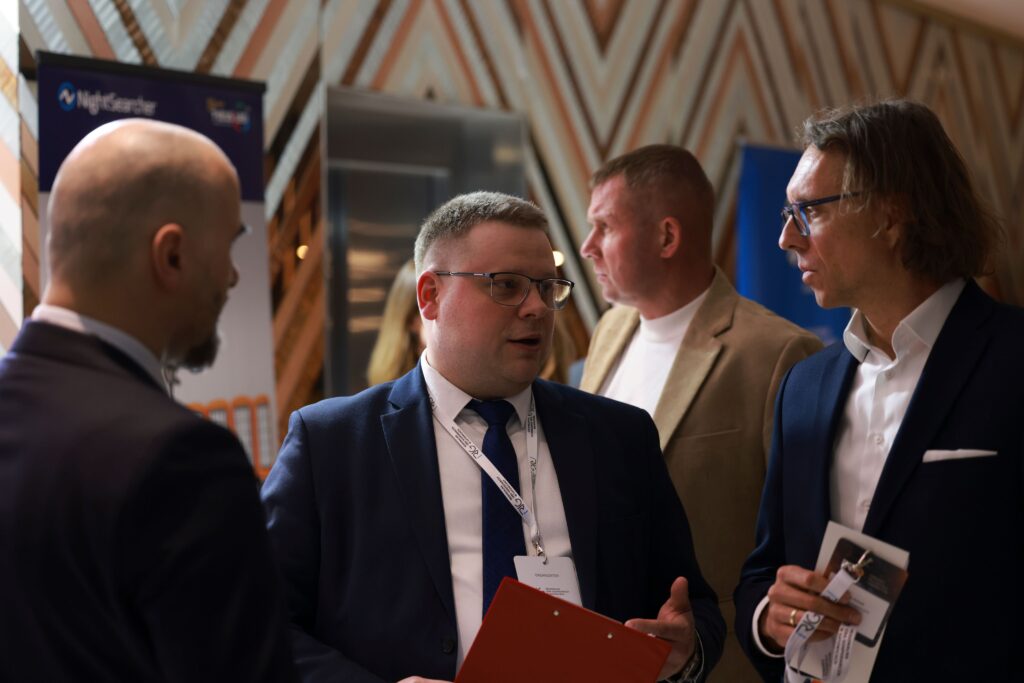
– The competitiveness of European industry is being undermined primarily by extremely high energy prices. Industry does not expect handouts, but rather that its ability to function is not taken away from it – pointed out Sławomir Wołyniec, Chairman of the Management Board of EC Zagłębie Dąbrowskie sp. z o.o. in Będzin.
The second day featured discussions on technology, the financing of production projects and safety issues
The second day of the INTO Congress demonstrated that the transition does not end with the construction of new energy sources. Transmission networks, data and its analysis, energy storage, financing, the development of AI and efficient implementation are equally important. Panels on renewable energy highlighted the urgent need to prepare and implement a clear national strategy for the next 10–15 years, alongside streamlined procedures. Discussions on financing were dominated by the view that a company should start with a strategy and an audit, rather than by seeking out random grants. In discussions on AI, it was pointed out that the technology only delivers value where there is good data and a calculated return on investment from implementing such solutions. There was no shortage of voices from representatives of new technologies in the energy sector, who described the transition as a process broken down into specific investments. They also emphasised the role of renewable energy, the grid, energy storage and the active customer.
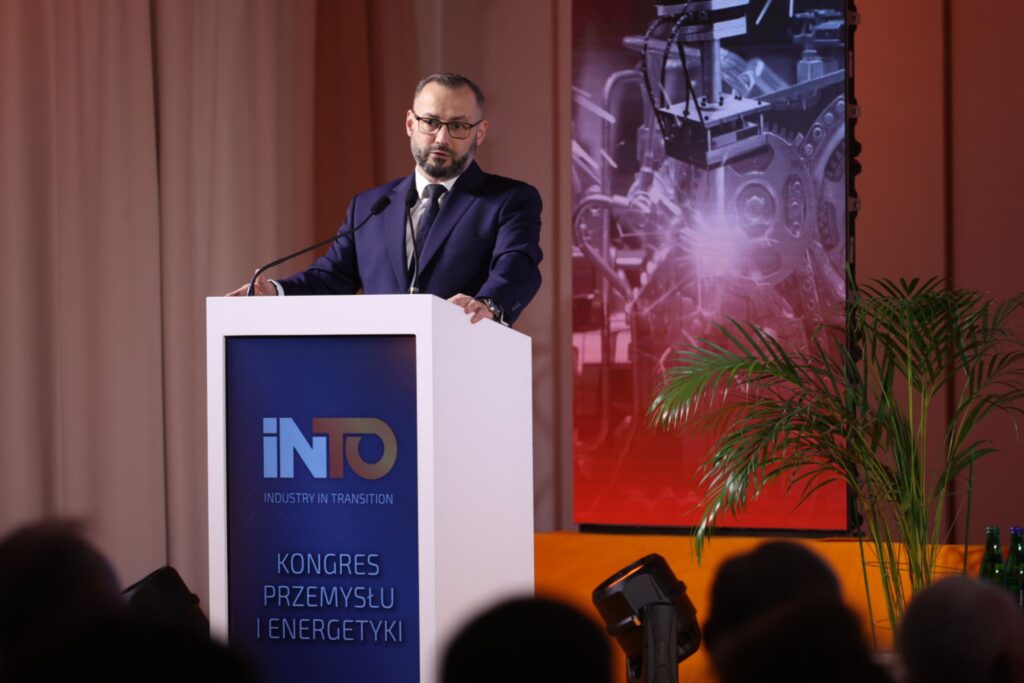
– Transformation involves specific milestones, investments and commitments to customers; for the system to work, we need scale and fewer bureaucratic barriers – explained Bartłomiej Wyczałkowski, CEO of TAURON Nowe Technologie S.A.
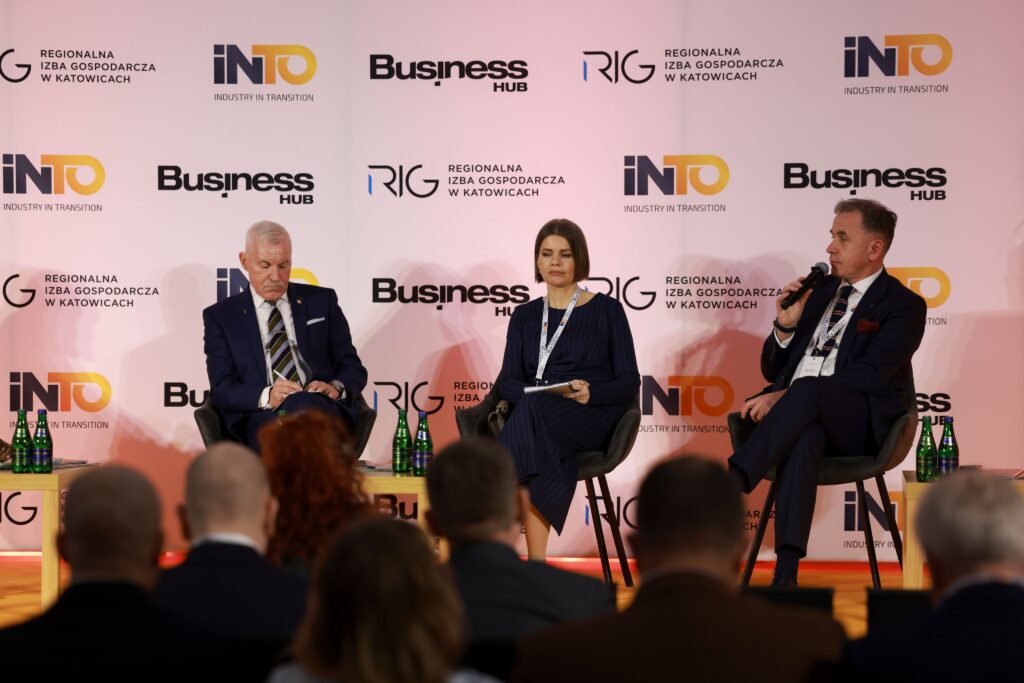
During the panel discussions on energy independence, the topic of implementing energy storage systems featured very prominently. Participants pointed out that without storage, Poland loses some of its renewable energy. They also highlighted connection, procedural and educational barriers.
– If we want to reduce energy costs and truly make use of renewable energy sources, we must treat energy storage as a fundamental element of the system. Combined with EMS, they become the foundation of energy sovereignty and operational security – said Anna Małgorzata Chilkiewicz, CEO of Tesla Energy.
Economic and energy security have become the cornerstone of business
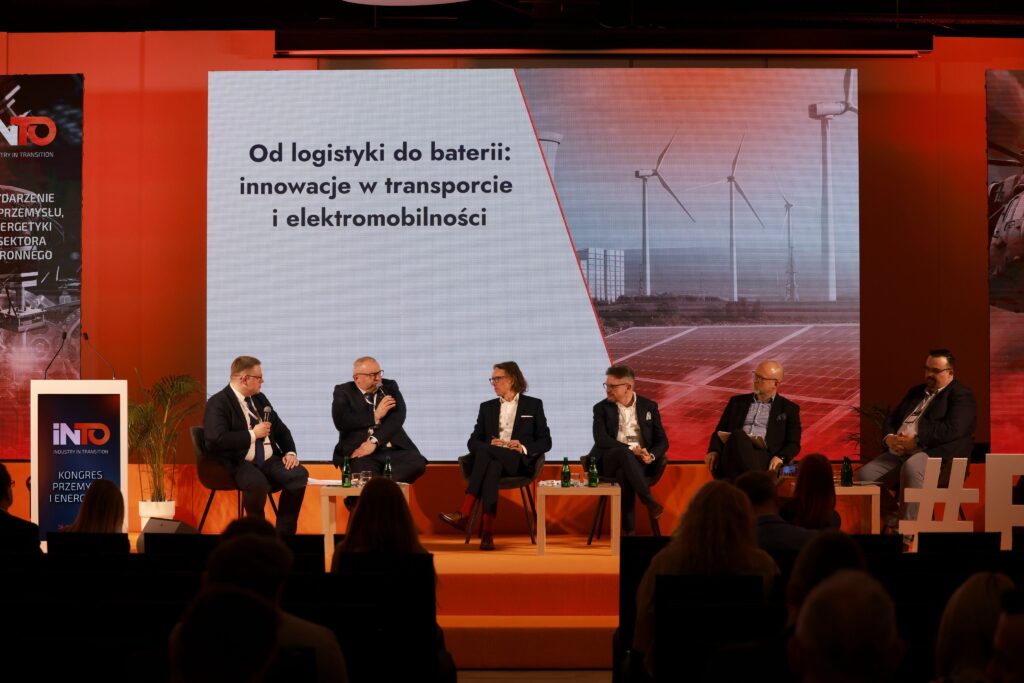
One of the key themes of the entire INTO Congress was the convergence of industry, energy and defence. A panel discussion on dual-use industry, covering technologies, products and software designed for civilian purposes that can be adapted for military or defence applications, showed that national security today depends on industry, technology, capital, investment areas and effective support instruments. This is an important shift in perspective. It is not just about military security, but also economic and technological security.
It was emphasised that the state should channel funds into tangible projects more quickly. Dual-use technology is now becoming an important bridge between the economy and security.
– If we are serious about security, we must think simultaneously about the economy, industry, innovation and science. We need to mobilise all possible sources of support and simplify access to tools – pointed out Rafał Żelazny, Chairman of the Management Board of Katowice Special Economic Zone S.A.
The experts have drawn up a number of conclusions and recommendations, including:
- Regulations should be limited and simplified, and procedures shortened, as soon as possible. – Without implementing this proposal, the transition to renewable energy investments, energy storage, grid connections, permits and all industrial projects will be too slow and too expensive.
- Poland needs affordable and reliable energy for its industry. – This means developing renewable energy sources, energy storage, system flexibility, power purchase agreements (PPAs) and modern grids. Energy should be a tool for boosting competitiveness, not a permanent burden that drives businesses out of the market.
- Local content must be included in actual procurement criteria. – Price cannot be the only criterion. Contracts should prioritise security of supply, quality, sustainability and the involvement of Polish companies.
- Funding should be structured as a package rather than a single grant. – Businesses need a mix of grants, loans, guarantees, tax relief and private capital. Preferential tools and conditions for financing and supporting Polish entrepreneurs should be put in place.
- Transformation must be linked to security and technology. – AI, cybersecurity, dual-use technologies and workforce skills should become part of industrial policy. Today, a nation’s resilience is also built through data, implementation and industry.
- Independence and self-sufficiency are the cornerstones of security and resilience – hydrogen, as the fuel of the future, requires no less attention from national and EU authorities. Refining production and storage technologies, as well as engines running on this fuel, offers a realistic path to independence from non-European suppliers of oil, gas and renewable energy technologies that rely on rare earth metals. The extent to which the market can be influenced has been demonstrated by subsidies and political support in Europe for electromobility, although ultimately it is not European industry that benefits from this market.
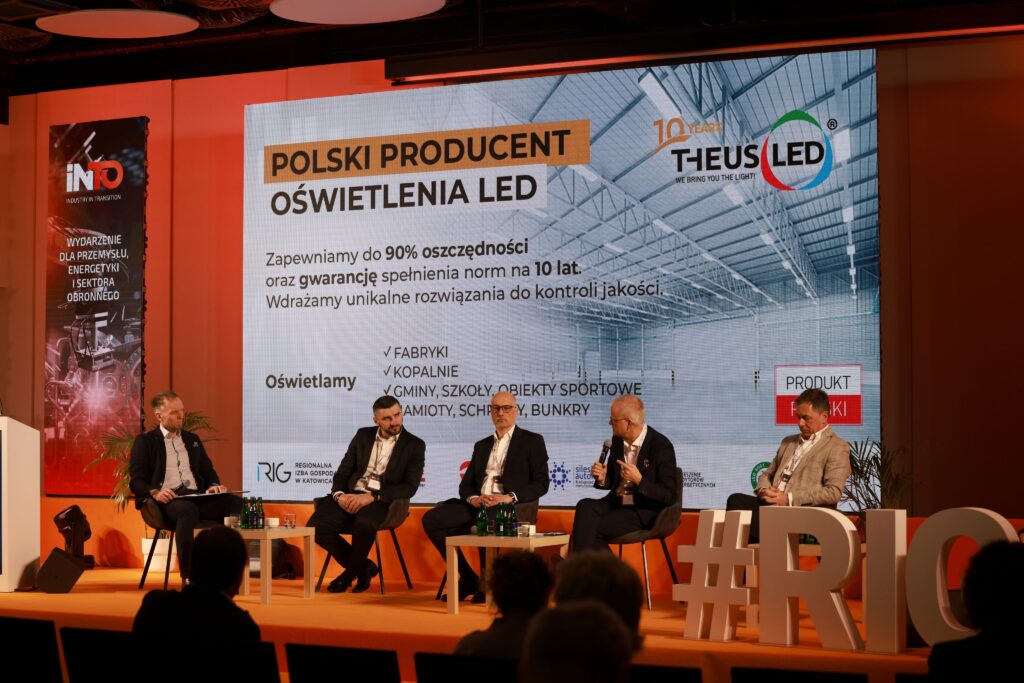
INTO Congress: Final Conclusions
The Industry and Energy Congress have shown that Polish business is not avoiding transformation. However, rules are expected, not only those which allow reporting, but also those which allow investments. Cheaper energy, faster decisions, better financing and a greater share for domestic companies in major projects are all expected as well. If the recommendations developed and presented are implemented, at least in part, the INTO Congress will leave behind more than just a good debate, conclusions, new relationships and opportunities for development. It will leave a roadmap of actions for industry, the energy sector and the defence sector.